
When the container signals on it's own: Our plans for RFID in partnership with inotec
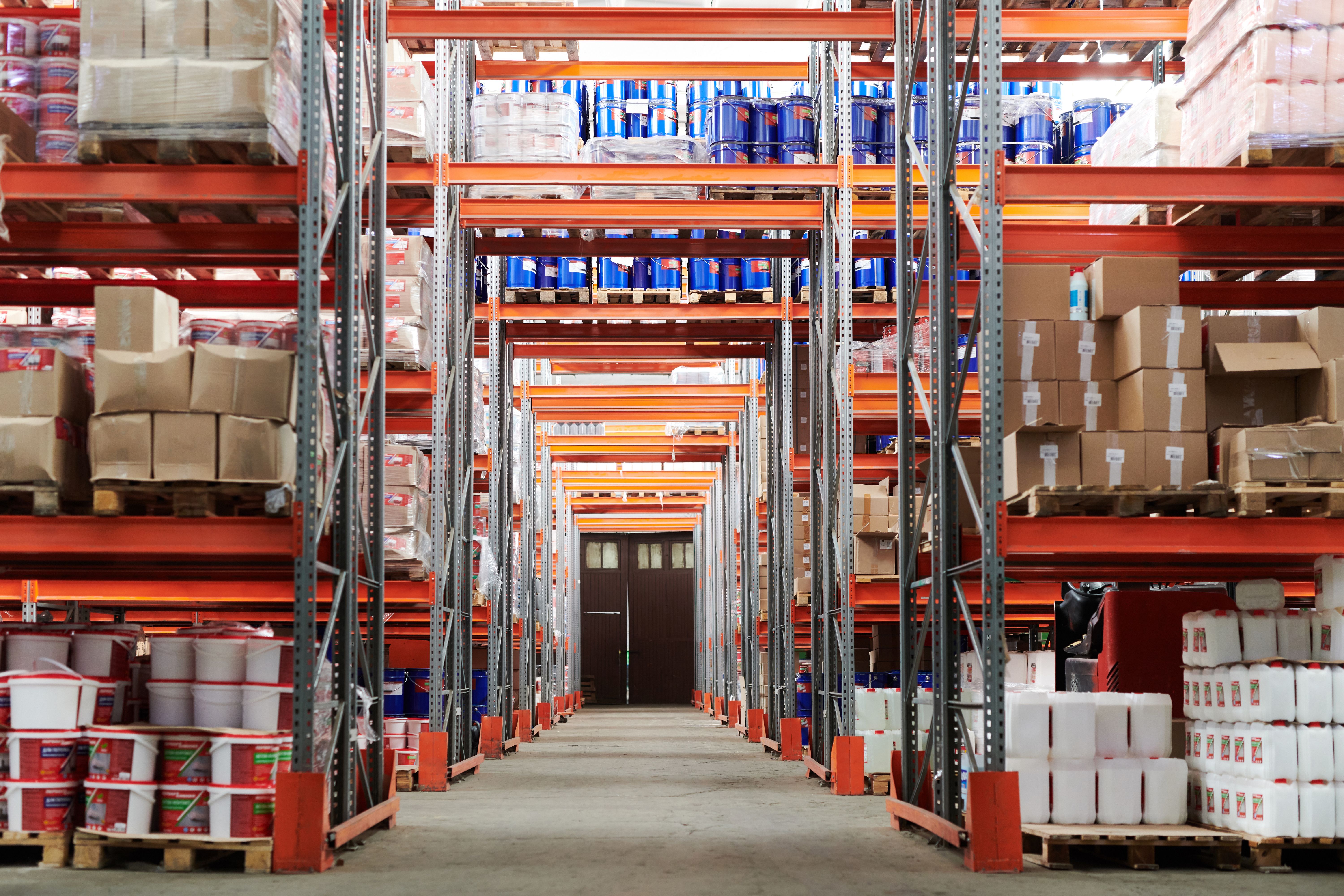
In many reusable packaging loops, data is only generated when someone scans, counts, or logs an item. In between, it remains invisible where containers are, how long they are in transit, or where losses occur. Automation only works when object identity and process data are perfectly aligned.
This is exactly where our partnership with inotec comes in. inotec makes reusable assets uniquely identifiable using RFID, 2D codes, or in-mold solutions. Loopario translates this identity into digital process data regarding inventory, circulation, condition, and traceability. The result is a coordinated, comprehensive concept combining labeling technology with digital reusable asset management—reducing coordination effort while increasing transparency throughout the loop.
Together, we aim to make reusable assets uniquely identifiable and ensure their circulation remains digitally controllable throughout their entire lifecycle.
.png)
About inotec
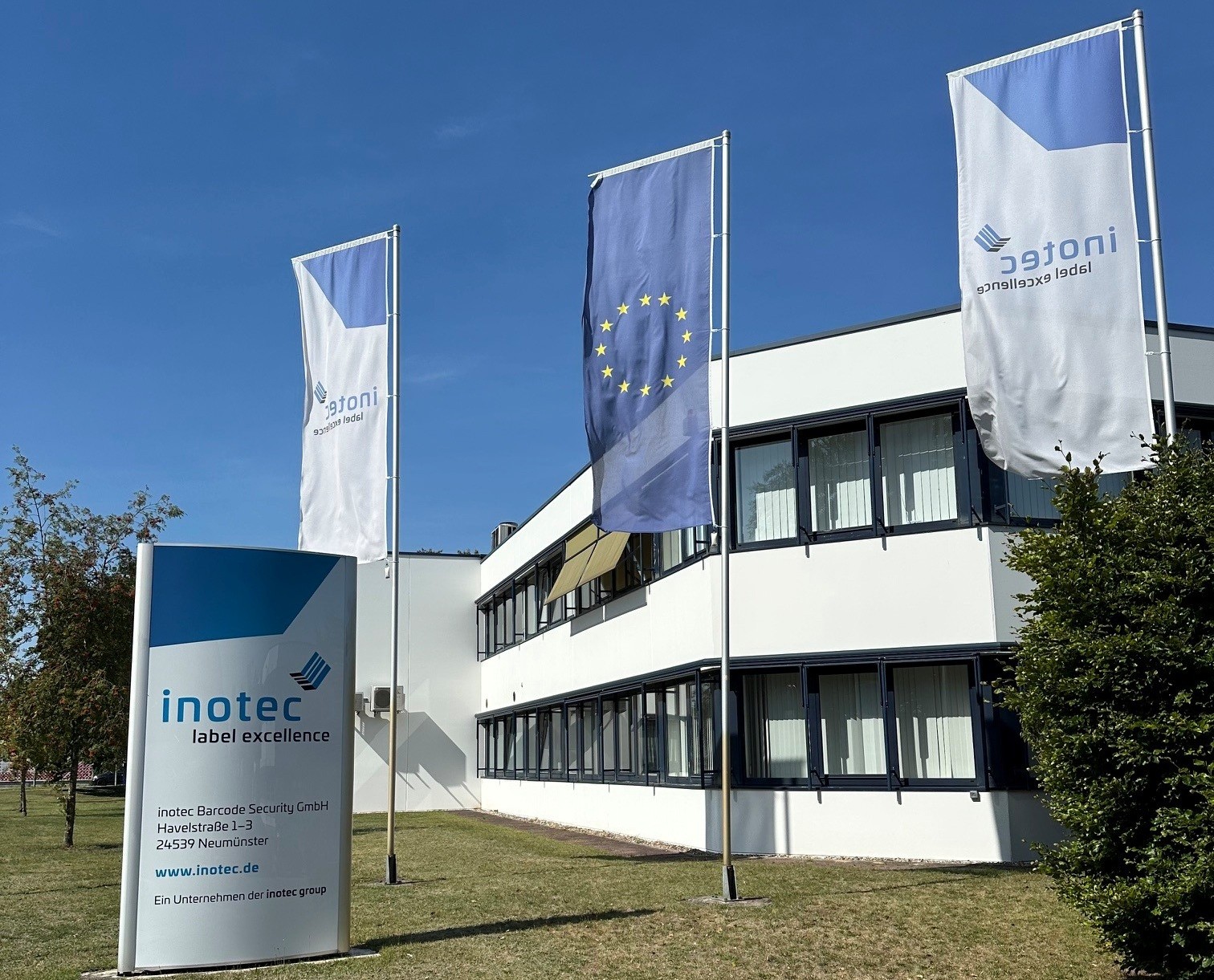
Headquartered in Neumünster, inotec Barcode Security GmbH is a specialist in intelligent labeling, AutoID, and digital object identity. The company develops and produces RFID transponders, in-mold labels, and robust barcode and 2D code solutions for industrial applications where data quality, unique identification, and reliable traceability are critical.
For over 40 years, inotec has been making products, containers, and load carriers uniquely identifiable and digitally usable—from requirements analysis and material/readability testing to implementation in real-world processes. Development, production, testing expertise, and service are all handled in-house, 100% in Germany.
Especially with reusable containers, RTIs, and pooling systems, inotec’s strength lies in the ideal combination of labeling, material expertise, and process integration. The key is ensuring that the identity remains permanently readable, is compatible with the container material, and can be reliably connected to digital systems.
Identity from the factory floor
A standout feature of our portfolio is our in-mold solutions. The labeling is integrated directly into the container during manufacturing, becoming part of the surface itself. For reusable assets that remain in circulation for years—undergoing cleaning, stacking, and mechanical stress—this is a decisive advantage: the identity cannot peel off. At the same time, integrated labeling reduces potential weak points such as adhesives, edges, or secondary labeling steps—a major benefit for hygiene, durability, tamper resistance, and design for recycling.
The RFID misconception
inotec frequently encounters one common misunderstanding: RFID does not automatically solve every process problem. A tag on a container only adds value when the tag, antenna, position, read point, and software integration are perfectly matched. That is exactly why this partnership makes sense. It combines technical AutoID expertise with process logic—ensuring a system works not just in testing, but in everyday operations.
This is why inotec starts early with the specific application: What material is the container made of? Is it washed, stacked, deep-frozen, or exposed to chemicals? Does it need to be read individually or in bulk? This doesn't result in a standard label, but rather a resilient AutoID concept with the right tag selection, positioning, encoding, and validation. Loopario captures the event data and translates it cleanly into inventory, circulation, status, and accountability metrics.

Two areas of expertise, one object
We first connected at LogiMAT. It quickly became clear that identification technology and digital reusable processes must be thought of as a single, continuous flow. inotec knows which technology an object needs to be reliably identified. Loopario knows which events a loop needs to map inventory, responsibilities, and key performance indicators. A joint project therefore starts at both ends simultaneously: the desired logging determines the read point, while the technical framework determines which logging is reliably possible at that location.
Labeling as the foundation for digital reusable processes
Imagine a component manufacturer moving small load carriers between several plants and suppliers. At the loading dock, there are entire stacks of containers on pallets. Often, only the pallet is recorded—or nothing at all, because no one scans every individual container.
The consequences are well-known: inventory is managed via inconsistent numbers, manual lists, and estimates. Missing containers are only noticed during inventory counts, circulation and losses remain guesses, and extra units are purchased just to be safe.
This is where our joint project begins. inotec clarifies container material, surface, cleaning processes, stress factors, transponder position, and readability within a stack. This results in a suitable serial RFID, in-mold, barcode, or 2D code labeling solution, which is tested and sampled before the rollout.
The unique object ID is then linked as a digital twin to the reusable process within Loopario’s Load Carrier Management System (LCMS). Issuance, return, location, status, cleaning, inspection, and loss events are systematically documented and made actionable. Every object then has a permanent identity, and every scan or RFID read updates the underlying data record. This makes it possible to answer not just how many containers are available, but also where they are, how long they have been there, what condition they are in, and which partner they frequently get stuck with. The combination of robust labeling and digital process logic creates the data foundation needed to manage reusable loops economically, auditably, and in compliance with the PPWR.
Where the partnership is headed
It is already possible today to link RFID, in-mould, barcode, and 2D code identification, unique serialization, technical sampling, and read tests, as well as the digital mapping of reusable assets and their process events in the Loopario LCMS.
For inotec, this partnership is a clear step toward data-enabled identification systems. The physical ID is designed from the outset to provide stable data in automated processes. This transforms identification from a technical detail into an operational key for transparency, compliance, loss reduction, and efficient pool management.
The plan includes joint solution packages, standardized interfaces, and transferable reference processes for selected reusable applications. The goal is a clearly defined joint offering and a repeatable process from the initial read test to the digital go-live.
How many containers do you actually have left?
This combination is particularly interesting if your current booking records are incomplete or non-existent. It is also ideal if you want to digitize your reusable cycles and processes related to the PPWR.
You don't need a finished specification document to get started. A brief description of your process, details about your objects and environmental conditions, and sample containers for initial read tests are enough. This is followed by a PoC, a pilot phase, and a coordinated roll-out. How long this takes depends on the object, technology, and scope of integration, so we prefer to estimate that together. Tell us how your containers are currently moving and where the tracking breaks down – usually, a first conversation is enough to see if RFID is the right lever for you.

Schedule a free consultation now!
We would like to get to know you and your current challenges with reusable objects. As a first step, we analyse your status quo together and check where there is potential for optimization and automation. If we have a suitable solution for you, we will present our solution to you on your use case in a second appointment.